
FREE delivery on UK Orders over £200 - Worldwide Delivery Available
+44 (0) 1273 495500
Styling Floral Fabric In Your Home
Learning how to use floral fabrics in your home will give you the tools to introduce pattern into any interior. This includes fabric for curtains, upholstery, and accessories.
Florals are a timeless design that have been reimagined in a wide assortment of textures and styles. Not to mention, the multitude of flower species available for inspiration. There's a plethora of shapes, stems, and petal sizes, budding or blooming, and oh, the colours.
The popularity of floral fabrics began in the Far East and spread to Europe through the Silk Road. They have since become an interior design staple.
Shop Our Most Popular Floral Fabrics


What Are The Different Types of Floral Fabric?


The sheer diversity of floral fabrics on offer may have you at a loss of how to pick the perfect addition for your home. There are, however, some simple rules to keep in mind. A great starting point is to consider the type of floral fabric you use.
Floral fabrics come in many different materials. There's a classic weave or crewel design. There's also the daring luxury of velvet fabric. Then there's the ultra modern geometric patterns. It can also be incorporated into other designs like damask fabric, chintz, paisley or toile. Printed fabric, in fact, has the largest range.
There are, however, four main categories of floral fabric. These broad groups are the easiest way to narrow down your options.
There's large floral fabrics, small floral fabrics, vintage floral fabrics and modern floral fabrics.
We take a look at how to style them in your home.
Large vs Small Floral Fabric


The size of the design is one of the first things to consider when picking floral fabrics. This will be dictated by how and where you want to use the fabric.
Large floral fabric, for example, suit full-length curtains or a statement headboard. This is especially true in rooms with high ceilings.
Small floral fabric, on the other hand, is more delicate and suits lighter, brighter spaces. This may include windows in a kitchen or bathroom. In the same way, smaller spaces and lower ceilings fit these designs.
When it comes to floral upholstery fabric larger designs are fitting for larger furniture. That way they make a statement while the pattern is fully visible.
Whereas, smaller florals are more suited to home accessories. Cushions and lampshades look darling with a micro-print.
On cushions a large print also looks great when paired with a plain fabric matching its colouring. Other pattern use would have to be elegant in the country house style. Otherwise, it would have to be punchy in the modern trend of maximalism.
-
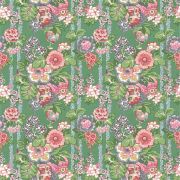 Louis FabricOut of stock


Vintage vs Modern Floral Fabric
The choice between vintage and modern floral fabric may be decided by the property itself. An interior design inspiration may be chosen based on the age of the property.
In the same vein, an interior design style can be chosen to match the owner's taste and run throughout the home. Either way, the decision is easy: match the decor.
Vintage floral fabric often has a prominent, neutral ground colour. Pastel shades, however, are also popular.
The imagery is in the style of romantic realism. These characteristics allow the shading of the petals and greenery to pop. They also create bouquets, blossoming roses, and sprouting daisies.
When styling vintage floral fabric, it can be used in other features of the room. If it's on the curtains, it can be used on cushions. Likewise, it suits lampshades, bed valances, headboards, and even tablecloths.
It can also be used with other patterns. It's a good idea, however, to avoid using two small floral fabrics together. Instead, mix the scales of the vintage floral patterns. Alternatively, opt for stripes or trimmings to add more detail.
Complete the look by using vintage home accessories like lighting and antiques. Try these in a secondary tone from the floral fabric to get a not-too matchy finish.


Contemporary floral fabric, on the other hand, is about breaking with tradition. The imagery can be abstract or distorted, painterly, drawn or pixelated. Blooms can take up more space, be in bolder tones, and be wilder.
To style these floral fabrics, colours from the curtain or upholstery fabric should be repeated in the room. Take each key tone on the material and build your scheme around them.
The most prominent colours will make up the wallpaper and/or paint and vice versa. The floral fabric can be chosen based on the wall colour. Deeper tones and shading can then be used in the home accessories.
The trick is to keep the rest of the room pattern-free and use texture instead. This will allow the floral fabric to be a feature of the room. Yet, the room will remain in balance.
-
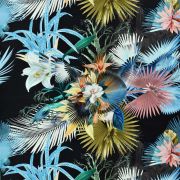 Oiseau de Bengale Cotton FabricOut of stock


How To Style Floral Fabric
1) Victorian Property Interior Design
Using modern furnishings in a Victorian home can be easy with a few adjustments. Firstly, period properties suit long curtains which means a large floral fabric can be used.
This Wandle Fabric is also in the Arts and Crafts style of the Victorian era. Then, by using it on a singular cushion, with a contrasting floral fabric and plains emphasises it as a feature of the room.
It's likewise reflected on the accent wall with the Wandle Wallpaper. The original fireplace offsets this very modern touch.
A simple sofa, floor lamp, and light-weight tables keep the room relatively fuss-free. They also minimalise any blocks to the light in darker rooms.
Lastly, the paint and accessories, in colours from the floral design, round everything off.


2) Modern Country House
A traditional country house style mixes patterns and accessorises with antiques. Add a modern twist with a peppering of plain fabrics, contemporary art, and decorations.
This allows for the use of a more modern floral fabric whilst fitting the space. Moreover, this is done through sticking to the previous guidelines. Larger furniture can suit a larger print.
The Countess Fabric, with gloriously full hydrangea blooms, is ideal for this finish. Plus, the contrast of blue curtain fabric enriches the theme.
Likewise, the drapes full-length works perfectly with the height of this room. Bespoke curtains are the best way to get this perfect fit.
Finally, smaller patterns on different surfaces can balance the room and accentuate the architecture. An array of designs in matching neutrals including this lovely Wallis Wallpaper are great additions.
3) Maximalism Interior Design
Maximalism is the edict that more is more. It's all about strong colours, sumptuous textures, and large designs.
A neutral wallpaper is the perfect backdrop for building colour and pattern around. Likewise, a textured wallpaper in a block-colour adds depth without stealing the show.
A large floral curtain fabric with a luxurious texture can be found in this Pellestrina Velvet Fabric. The vivid colours and delicate blossoms make for a union of vintage and modern.
It's met by cut velvet on upholstery with the Cosimo Fabric. This has then been backed by the equally multicoloured, Falda Velvet Fabric.
The coordinating hues and lavish material marry these three designs. An added co-ordinating pink silk fabric cushion in the primary tone of this trio, ties it all together.
The trilogy of patterned fabrics are in harmony and maximalism by both contrast and likeness.

More Ways To Use Floral Print Fabrics

We know floral fabrics are a great choice for curtains or sofas, such as this stunning Maharani Linen shown here on a banana sofa.
Equally practical however, are roller blinds in a material like Roslyn Linen Fabric. The embroidery adds a touch of colour to this kitchen.
Floral fabrics aren't just for interiors. Now there's a large range of outdoor fabrics to create comfort in your exterior.
The Mariedal Fabric, for example, looks wonderful on a deck chair. A great way to relax in style.
Ultimately, floral fabric is one of the most vast and versatile designs. Let us know how you use it by by contacting us and tagging #LoveFandP on social media.

You May Also Be Intersted In...

Wildflower Prints Blooming In Interiors & Fashion
These lovely floral prints have been inspiring designers across catwalks and interiors. See the best of the season.

Dark Romance: Gothic Florals
Interior designers have been indulging their dark side with these large romantic patterns. See these dramatic designs.
Copyright 2024 F&P Interiors. All rights reserved.
- paypal
- visa
- mastercard
- amex